How Smart Metering Supports ESG Targets in Commercial Buildings
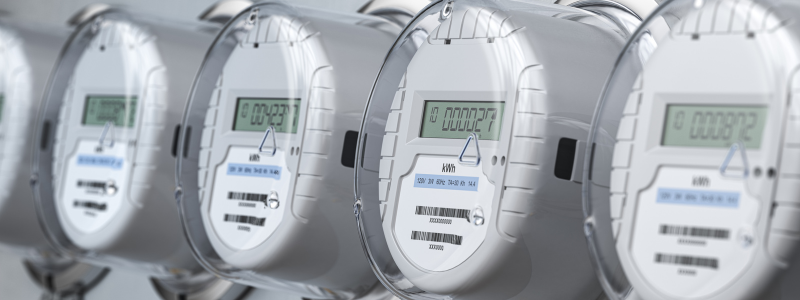
For commercial building operators across the UK, ESG targets have shifted from aspirational statements to measurable obligations. Investors, tenants and regulators now expect verifiable data, not pledges. The challenge for many organisations is not intent; it is infrastructure. Without accurate, real-time energy data, carbon reporting becomes guesswork and sustainability claims become difficult to defend. Smart metering changes that.
A properly specified metering installation provides facilities managers with the granular consumption data they need to set credible baselines, track progress, and satisfy the growing body of UK reporting requirements that underpin any serious ESG programme.
The bottom line: buildings without smart metering are operating blind on their most significant emissions.
The UK Regulatory Context: Why Metering Is No Longer Optional
Two mandatory frameworks place energy data at the centre of compliance for large UK organisations and both depend on accurate smart metering to function.
Streamlined Energy and Carbon Reporting (SECR) has been mandatory since April 2019. It requires quoted companies, large unquoted companies and large LLPs to disclose annual energy use, carbon emissions and efficiency measures in their directors’ reports, covering organisations with 250 or more employees, a turnover above £36 million, or a balance sheet exceeding £18 million. Without sub-metered consumption data, disclosures rely on estimates, creating audit risk and undermining any ESG narrative.
The Energy Savings Opportunity Scheme (ESOS) is currently in Phase 4, with a strict qualification date of 31 December 2026 and a final compliance deadline of 5 December 2027. It requires qualifying large organisations to audit energy use across buildings, transport and industrial processes. Because ESOS audits must be based on 12 months of verifiable consumption data, a robust metering installation is no longer just good practice—it is a practical necessity.
From 1st January 2027, non-domestic organisations entering into or renewing fixed-term energy contracts will need to have smart or advanced meters in place, as confirmed by the government’s non-domestic smart meter rollout consultation. Smart metering is becoming a condition of commercial energy supply, not just good practice.
What Smart Metering Delivers for ESG Programmes
Smart metering is the infrastructure layer that makes ESG data trustworthy. The difference between a building with a proper metering installation and one relying on estimated bills is the difference between evidence and assertion.
Accurate Carbon Baselining
Before any emission reduction target can be set credibly, a building needs a reliable baseline. Smart meters capture half-hourly consumption data across electricity, gas and water, enabling facilities teams to understand exactly where energy is being used and when. This granularity is what separates a defensible Scope 2 emissions figure from a rough calculation.
Real-Time Identification of Waste
Half-hourly data reveals patterns that manual reads never could: overnight consumption spikes, HVAC systems running outside occupied hours, or plant rooms drawing unexpectedly high loads. Eliminating this waste is often the fastest route to measurable carbon reduction.
Sub-Metering for Multi-Tenanted Buildings
In multi-let commercial buildings, sub-metering installations allow landlords to attribute consumption accurately to individual floors, retail units, or plant areas. This matters for ESG reporting accuracy and for institutional tenants who need reliable Scope 3 data covering their leased premises.
AMR: Why Direct Installation Matters
Automated Meter Reading (AMR) is a technology that eliminates the need for manual meter readings. Once installed, AMR systems transmit consumption data automatically every 30 minutes, feeding directly into monitoring platforms and reporting dashboards.
For commercial buildings pursuing ESG targets, AMR is the mechanism that makes continuous carbon tracking possible without ongoing manual effort. The data is consistent, timestamped and audit-ready, which is exactly what SECR disclosures and ESOS evidence packs require.
A critical point for building operators: AMR should be procured and installed directly through a qualified metering specialist, not routed through a third party. When AMR is managed via an intermediary, data latency increases, accountability becomes unclear and the direct relationship needed to resolve technical issues quickly is lost. The integrity of your ESG data depends on a clean, direct line between your smart metering installation and your reporting system.
Smart Metering Installations as a Long-Term ESG Asset
A metering installation is not a one-off project. It is an ongoing asset that grows in value as data accumulates. Year-on-year consumption comparisons, energy intensity ratios and carbon reduction trajectories all become more credible the longer a building has been accurately metered.
This long-term data record matters for:
- Green finance and investment: Lenders and investors assessing commercial property against ESG criteria expect verifiable consumption histories, not estimates.
- EPC and building performance ratings: As minimum EPC standards tighten, metered data informs retrofit decisions and provides evidence of improvements.
- Tenant attraction and retention: Institutional occupiers with their own net-zero commitments are increasingly selecting premises based on the quality of the available energy data.
- Net zero pathway planning: The UK’s legally binding commitment to net zero by 2050 means commercial buildings face escalating pressure to decarbonise. A well-specified smart metering installation is the foundation of any credible decarbonisation plan.
The real risk for building operators who delay: as smart metering requirements become embedded in energy contract conditions from 2027, organisations without installations in place will face commercial disruption and a gap in their ESG data record that cannot be retrospectively filled.
Voltix Services provides metering and metering installations for commercial buildings, with directly employed engineers handling every stage from survey through to commissioning. To find out more about metering installations and AMR for your commercial building, get in touch with the Voltix team.