

How Can Facilities Maintenance Improve a Building's EPC Rating?
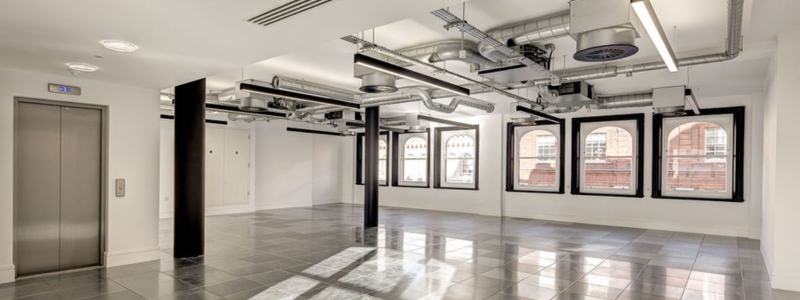
In the current UK commercial property landscape, a building’s Energy Performance Certificate (EPC) rating has evolved from a mere compliance checkbox into a critical indicator of financial viability. With the government’s tightening of Minimum Energy Efficiency Standards (MEES) regulations and the transition toward a Net Zero economy, properties with sub-standard ratings face the very real threat of becoming stranded assets: unrentable, unsellable and subject to significant financial penalties. The immediate power of strategic Facilities Maintenance (FM) is frequently overlooked and by shifting from reactive repairs to data-driven Planned Preventative Maintenance (PPM), landlords can significantly improve a building’s EPC rating.
What is an EPC Rating?
An Energy Performance Certificate (EPC) isn’t just a piece of paper; it’s a measure of your building’s asset rating. It tells you how energy-efficient your property is on a scale from A (very efficient) to G (inefficient). For commercial landlords in the UK, this rating is calculated based on the building’s fabric and its services, such as heating and ventilation (HVAC), electrical installations and lighting.
The calculation behind a non-domestic EPC is a precise technical exercise governed by the Simplified Building Energy Model (SBEM). This framework evaluates a property’s energy efficiency by comparing its Building Emission Rate (BER) against a Target Emission Rate (TER). The model analyses the monthly carbon dioxide emissions generated by fixed services, specifically heating, cooling, ventilation and lighting, alongside the thermal performance of the building’s envelope.
Why Your Building's EPC Score Needs Improvement
Ignoring a low EPC rating is a risky strategy in 2026. The UK government has tightened regulations, and a poor score doesn’t just mean higher utility bills, it signals to the market that your building is becoming obsolete.
A low EPC score typically leads to three main problems:
- Facing penalties: Non-compliance with minimum standards can lead to significant fines.
- Loss of rental income: Landlords cannot legally let a property that falls below the required EPC band.
- Challenges in commercial property portfolios: Stricter regulations make it harder to manage or sell inefficient properties.
Improving your score is a fundamental part of asset management. Because SBEM relies on data-driven inputs, things like outdated plant machinery or compromised insulation lead to a higher carbon output calculation. Significantly diminishes the property’s marketability and its ability to meet the MEES requirements for legal leasing.
Leveraging Facilities Maintenance to Improve a Building’s EPC Rating
Maintenance isn’t just about fixing things when they break; it’s also about optimisation. A proactive facilities maintenance strategy directly influences the data points used in SBEM calculations. If your buildings run efficiently, your carbon emissions drop and your rating improves.
Here is how maintenance teams make a tangible difference:
Optimising HVAC Systems Through Regular Servicing
Heating, ventilation and air conditioning (HVAC) usually consume the most energy in a commercial building. If these systems are dirty, leaking, or poorly calibrated, they work harder to achieve the same result.
Upgrading and Maintaining Lighting Efficiency
Lighting upgrades represent one of the most immediate and cost-effective pathways to improve a building’s EPC rating. Old fluorescent tubes and halogen bulbs consume a lot of energy. Swapping them out is one of the fastest ways to see a jump in ratings. Taking additional steps, like adding occupancy sensors, ensures lights aren’t burning energy in empty meeting rooms, which positively impacts the EPC calculation.
Preserving Building Fabric and Insulation Integrity
Your building’s envelope, the physical barrier separating the conditioned, indoor environment from the outdoor environment, influences how much energy you lose. Maintenance teams play a crucial role in spotting and sealing leaks that compromise this envelope. Routine checks should include insulation of walls, roof and floors to reduce heat loss, while also checking for degradation in existing materials.
Partnering with Expert Facilities Maintenance Providers
Improving an EPC rating requires technical expertise across multiple disciplines. It’s rarely a job for a generalist handyman. You need a partner who understands the intersection of maintenance, compliance and ESG.
Voltix Services specialises in this area, offering:
- Lighting Maintenance and Upgrades to cut electrical load.
- Commercial Heating and Air Conditioning Maintenance to ensure peak efficiency.
- Live Building Monitoring and Meter Installation (including Sub-Metering and AMR Meters) to provide the data transparency required for modern governance.
- Boiler Optimisation and Seasonal Commissioning to ensure high-output equipment like boilers operate at peak design efficiency.
By using directly employed engineers and focusing on data-inspired strategies, we help buildings meet strict environmental frameworks. While major renovations are one path to improvement, strategic facilities maintenance offers a cost-effective and immediate way to boost performance, ensure MEES compliance and improve a building’s epc rating.